Creatine: how to take it, dosage and real benefits
If you were only ever going to take one supplement, it would be creatine. It's the most researched, has the most evidence and is also one of the cheapest. Let's see how to take it well and bust the myths that still surround it.
By The DietPlanner Pro Team · Content based on peer-reviewed studies. See methodology
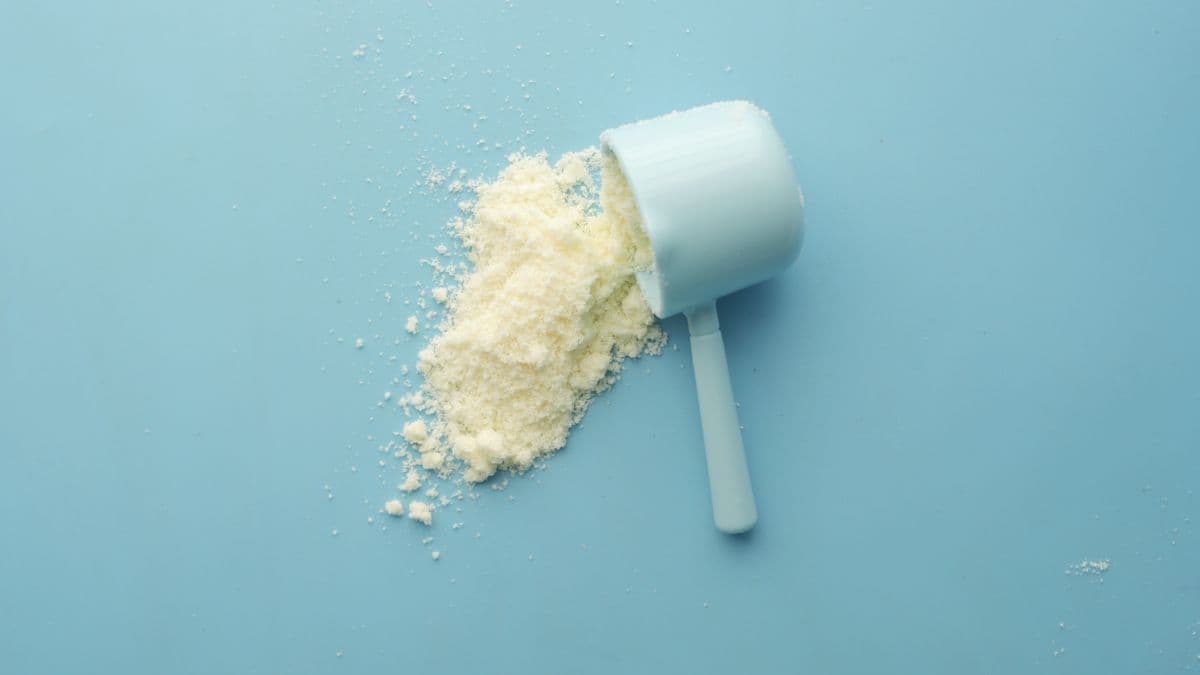
What it is and why it works
Creatine is a molecule your body already produces and that you also get from meat and fish. It's stored in muscle and helps regenerate ATP, the "energy currency" for short, intense efforts. Supplementing fills your stores to the max.
In practice: you can do an extra rep, lift a bit more weight, and recover better between sets. Over time, that translates into more strength and more muscle mass.
Science-backed benefits
- •More strength and power in strength training and explosive efforts.
- •Greater muscle gain when combined with training.
- •Better recovery between sets and sessions.
- •Possible cognitive benefits, especially under sleep deprivation (still an area of study).
Dose: 3–5 g per day, every day
The simplest and most effective approach is 3–5 g of creatine monohydrate every day, consistently. The loading phase (20 g/day spread over 5–7 days) only fills stores faster; it isn't necessary and can cause digestive discomfort. With 3–5 g daily you reach the same point in about 3–4 weeks.
What time should you take it?
It doesn't matter much. What's decisive is consistency: take it every day, including rest days. You can mix it with water, your shake or any meal. Taking it near training has, at most, a minimal advantage.
Common myths
- •"It damages the kidneys": in healthy people, the evidence shows no kidney or liver harm.
- •"It's a steroid": false, it's not a hormone or anything like it; it's a natural compound.
- •"It retains fluid and bloats you": it holds some water inside the muscle, which is positive, not the subcutaneous bloating people imagine.
- •"You have to cycle it": you don't need to take breaks from creatine, it can be taken continuously.
Which type to buy
Creatine monohydrate, plain and simple. It's the form with by far the most evidence behind it, the most effective and the cheapest. "Advanced" versions (HCl, ethyl ester, etc.) are more expensive and haven't proven superior. Look for the Creapure seal if you want an extra purity guarantee.
Creatine helps, but your diet is the foundation. Calculate your calories, protein and weekly menu free in 3 minutes.
Calculate my diet freeFrequently asked questions
How much creatine should you take per day?
Between 3 and 5 grams of creatine monohydrate per day, consistently. The loading phase is optional and offers no long-term advantage.
Should you take creatine on rest days?
Yes. What matters is keeping stores full, so you take it every day, whether you train or not.
Is creatine bad for the kidneys?
In healthy people there's no evidence of kidney harm. If you have pre-existing kidney disease, consult your doctor before taking it.